
Why Your Metabolism Matters More Than You Think
Ever wonder why some people seem to eat whatever they want without gaining weight, while others struggle despite careful dieting? The answer often lies in your basal metabolic rate (BMR) – the number of calories your body burns at rest just to keep you alive. Your BMR accounts for about 60-75% of your total daily energy expenditure, making it the single biggest factor in weight management and overall energy levels.
Think of your metabolism as your body’s engine. A faster engine burns more fuel even when parked, while a slower one requires constant movement to burn the same amount. The good news? You’re not stuck with the metabolism you were born with. Strategic dietary choices can significantly influence your metabolic rate, helping you burn more calories naturally throughout the day.

Understanding BMR: The Foundation of Your Metabolic Health
Before we dive into specific foods, let’s clarify what BMR actually means. Your basal metabolic rate represents the minimum number of calories your body needs to perform basic life-sustaining functions like breathing, circulating blood, regulating body temperature, and cell production. It’s different from your total daily energy expenditure, which includes physical activity and digestion.
Factors That Influence Your BMR
Several key factors determine your metabolic rate:
- Age: Metabolism naturally slows by about 1-2% per decade after age 20
- Gender: Men typically have higher BMR due to greater muscle mass
- Body Composition: Muscle tissue burns more calories than fat tissue
- Genetics: Some people are genetically predisposed to faster metabolisms
- Hormones: Thyroid function plays a crucial role in metabolic regulation
The Thermogenic Powerhouses: Foods That Naturally Boost Metabolism
Certain foods require more energy to digest than others, creating a thermogenic effect that temporarily increases your metabolic rate. This phenomenon, known as the thermic effect of food (TEF), can account for 10-15% of your total daily energy expenditure.
Protein-Rich Foods: The Metabolic Champions
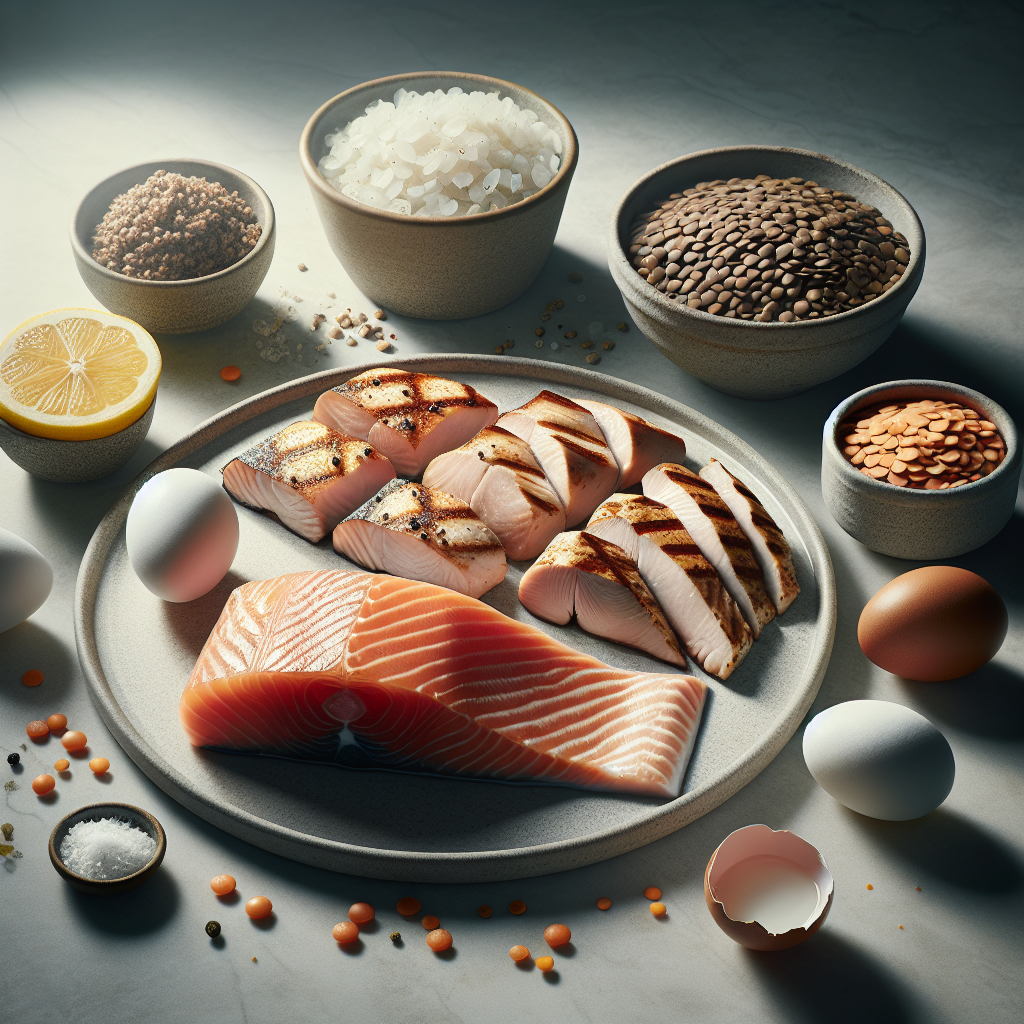
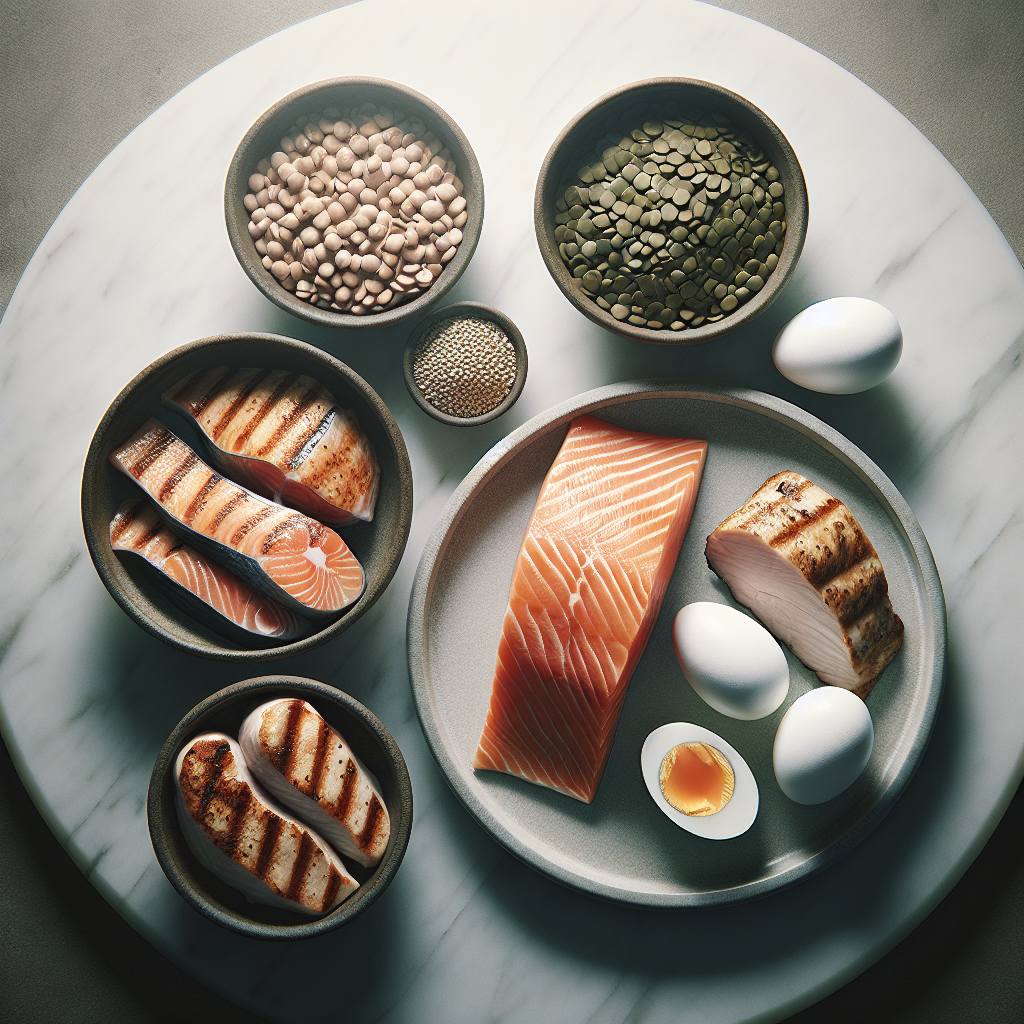
Protein has the highest thermic effect of all macronutrients, requiring 20-30% of its calorie content just for digestion and processing. Compare this to carbohydrates (5-10%) and fats (0-3%), and you’ll understand why protein is so effective for boosting metabolism.
Top protein sources for metabolic enhancement:
- Lean meats: Chicken breast, turkey, and lean beef
- Fish: Salmon, tuna, and cod
- Eggs: Particularly egg whites
- Legumes: Lentils, chickpeas, and black beans
- Greek yogurt: High in protein and probiotics

Spicy Foods: Turn Up the Heat on Your Metabolism
Capsaicin, the compound that gives chili peppers their heat, can temporarily boost your metabolic rate by up to 8%. This effect occurs because capsaicin increases body temperature and stimulates fat oxidation.
Metabolic-boosting spices to incorporate:
- Cayenne pepper: Add to soups, eggs, or marinades
- Turmeric: Contains curcumin with anti-inflammatory benefits
- Ginger: Helps with digestion and thermogenesis
- Cinnamon: Regulates blood sugar and boosts metabolism

Hydration and Metabolism: The Water Connection
Dehydration can slow down your metabolic rate by as much as 2-3%. Water is essential for every cellular process, including energy production. Drinking cold water may provide an additional metabolic boost, as your body uses energy to warm it to body temperature.
Coffee and Green Tea: Metabolic Elixirs
Caffeine is a well-known metabolic stimulant that can increase BMR by 3-11%. Green tea offers the added benefit of catechins, particularly EGCG, which work synergistically with caffeine to enhance fat burning.
Optimal consumption guidelines:
- 1-2 cups of coffee daily for metabolic benefits
- 3-5 cups of green tea for maximum catechin intake
- Avoid excessive sugar and cream additions
Whole Grains and Fiber: The Slow-Burn Fuel
Your body works harder to break down complex carbohydrates and fiber compared to refined carbs. This increased digestive effort translates to higher energy expenditure and more stable blood sugar levels.
Best whole grain choices:
- Oats: Rich in soluble fiber and beta-glucan
- Quinoa: Complete protein source with all essential amino acids
- Brown rice: Higher fiber content than white rice
- Barley: Excellent source of soluble fiber
Building Your Metabolic-Boosting Meal Plan
Creating sustainable eating habits is key to maintaining an elevated metabolic rate. Here’s how to structure your meals for optimal metabolic function:
Breakfast: The Metabolic Ignition
Start your day with a protein-rich breakfast to kickstart your metabolism. Research shows that people who eat breakfast have higher metabolic rates throughout the morning compared to those who skip it.
Sample metabolic breakfast: Greek yogurt with berries and almonds, or scrambled eggs with spinach and whole-grain toast.
Lunch: Sustained Energy Release
Combine lean protein with complex carbohydrates and healthy fats for sustained energy and metabolic support.
Sample metabolic lunch: Grilled chicken salad with mixed greens, quinoa, avocado, and olive oil dressing.
Dinner: Protein-Focused Evening Meal
Focus on protein and vegetables for dinner to support overnight repair processes without overloading your system with heavy carbohydrates.
Sample metabolic dinner: Baked salmon with roasted broccoli and sweet potato.
Lifestyle Factors That Complement Dietary Changes
While food choices are crucial, they work best when combined with other metabolic-boosting habits:
Strength Training: Build Your Metabolic Engine
Muscle tissue is metabolically active, meaning it burns calories even at rest. For every pound of muscle you gain, your body burns an additional 6-10 calories daily. Regular strength training can significantly impact your BMR over time.
Sleep Quality: The Metabolic Reset
Poor sleep can disrupt hormones that regulate appetite and metabolism. Aim for 7-9 hours of quality sleep nightly to support optimal metabolic function.
Stress Management: Cortisol Control
Chronic stress elevates cortisol levels, which can lead to increased abdominal fat storage and metabolic slowdown. Incorporate stress-reduction techniques like meditation, yoga, or deep breathing exercises.
Common Myths About Boosting Metabolism
Let’s clear up some misconceptions about metabolic enhancement:
Myth 1: Eating Small, Frequent Meals Boosts Metabolism
While meal frequency can affect appetite control, research shows it has minimal impact on total daily energy expenditure. Focus on meal quality rather than frequency.
Myth 2: Certain “Superfoods” Dramatically Increase BMR
No single food will magically transform your metabolism. Sustainable changes come from consistent dietary patterns, not quick fixes.
Myth 3: Metabolism Slows Irreversibly With Age
While age-related metabolic decline is real, much of it relates to muscle loss rather than inevitable biological changes. Strength training can counteract this effect.
Tracking Your Progress: Beyond the Scale
Measuring metabolic improvements goes beyond weight loss. Consider these additional metrics:
- Energy levels throughout the day
- Sleep quality and duration
- Clothing fit and body measurements
- Exercise performance and recovery
- Overall well-being and mood
Frequently Asked Questions
How long does it take to see changes in my metabolism from dietary adjustments?
Most people notice changes in energy levels and appetite within 2-4 weeks of consistent dietary improvements. Significant changes in BMR typically require 8-12 weeks of combined dietary and exercise interventions.
Can certain medical conditions affect my ability to boost metabolism through diet?
Yes, conditions like hypothyroidism, insulin resistance, and hormonal imbalances can impact metabolic rate. If you suspect an underlying medical issue, consult with a healthcare provider for personalized guidance.
Are metabolism-boosting supplements effective?
While some supplements like caffeine and green tea extract show modest benefits, they’re most effective when combined with dietary and lifestyle changes. Always consult with a healthcare professional before starting any supplement regimen.
How does alcohol consumption affect metabolism?
Alcohol can temporarily suppress fat burning as your body prioritizes metabolizing alcohol. Moderate consumption (1 drink daily for women, 2 for men) typically has minimal long-term impact, but excessive intake can significantly slow metabolic processes.
Is it possible to permanently increase my BMR?
Yes, through consistent strength training that builds lean muscle mass. Since muscle tissue is metabolically active, maintaining higher muscle mass results in a permanently elevated BMR compared to your baseline.
Boosting your metabolism naturally through strategic food choices is both achievable and sustainable. By focusing on protein-rich foods, incorporating metabolism-supporting spices, staying hydrated, and combining dietary changes with strength training, you can create lasting improvements in your metabolic health. Remember that consistency matters more than perfection – small, daily choices add up to significant metabolic benefits over time.