
Why Eating More Doesn’t Have to Mean Gaining Fat

If you’re naturally skinny and struggling to build muscle, you’ve probably heard the same advice over and over: “Just eat more!” But what if eating more just makes you feel bloated, uncomfortable, and doesn’t actually translate to muscle gains? The frustration is real—you’re putting in the work at the gym, but your body seems determined to stay the same.
The truth is, building muscle while staying lean requires a strategic approach that goes beyond simply increasing calories. It’s about understanding your body’s unique metabolism, choosing the right foods, and timing your nutrition for maximum muscle-building impact. This isn’t about mindless eating; it’s about intelligent fueling.
Understanding Your Body’s Metabolic Advantage
Being naturally skinny often comes with what’s called a “fast metabolism”—but what does that actually mean? Essentially, your body burns calories at a higher rate than average, even at rest. This metabolic advantage can work in your favor when you understand how to leverage it for muscle growth.
The Science Behind Fast Metabolisms
Research shows that individuals with naturally higher metabolisms typically have:
- Increased non-exercise activity thermogenesis (NEAT)
- Higher basal metabolic rates
- More efficient mitochondrial function
- Greater calorie expenditure during digestion
This means your body is constantly working, burning calories even when you’re not actively exercising. While this can make weight gain challenging, it also means you have less risk of storing excess calories as fat when you increase your food intake strategically.
Calculating Your True Calorie Needs
Before you can effectively eat more without gaining fat, you need to know your baseline. Most online calculators underestimate the calorie needs of naturally skinny individuals. Here’s a more accurate approach:
- Calculate your Basal Metabolic Rate (BMR) using the Mifflin-St Jeor equation
- Multiply by an activity factor of 1.7-2.0 (not the standard 1.2-1.5)
- Add 300-500 calories for muscle growth
For example, a 160-pound active male might need 2,800-3,200 calories daily for muscle growth, rather than the 2,400-2,600 typically recommended.
Strategic Calorie Surplus: The Sweet Spot for Muscle Growth
The key to eating more without gaining fat lies in creating the right type of calorie surplus. Too little, and you won’t build muscle. Too much, and you’ll gain unwanted fat. Finding that sweet spot is crucial.
The 300-500 Calorie Rule
Research consistently shows that a modest calorie surplus of 300-500 calories above maintenance is optimal for muscle growth while minimizing fat gain. This provides enough energy for protein synthesis and recovery without overwhelming your body’s ability to utilize nutrients efficiently.
Think of it this way: your body can only build so much muscle each day. Excess calories beyond what’s needed for muscle growth and daily energy will inevitably be stored as fat. By staying in this optimal range, you’re giving your body exactly what it needs—no more, no less.
Progressive Overload in Nutrition
Just as you progressively increase weight in the gym, you should progressively increase your calorie intake. Start with a 300-calorie surplus for 2-3 weeks, monitor your progress, then adjust based on results. If you’re gaining muscle without significant fat increase, maintain that level. If progress stalls, consider a slight increase.
Food Quality Matters: What to Eat More Of
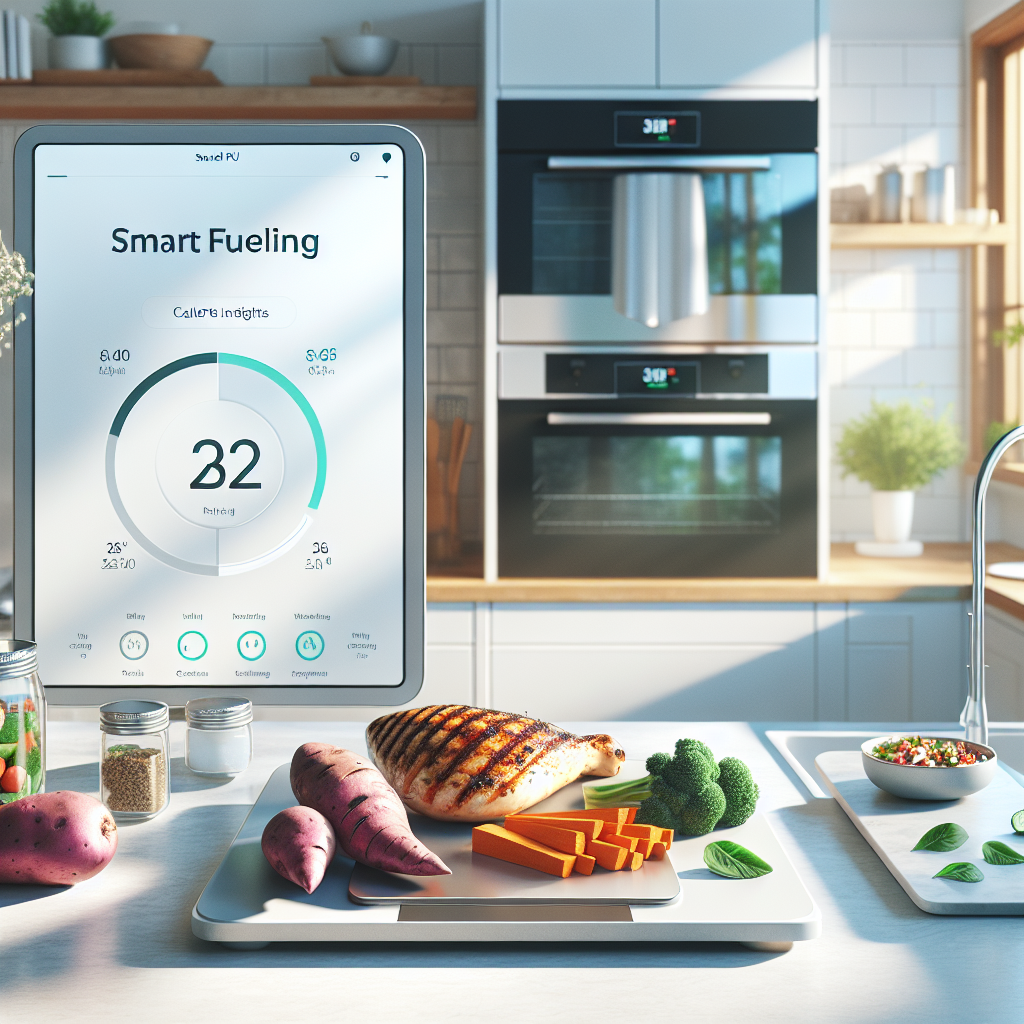
Not all calories are created equal when it comes to building lean muscle. The composition of your diet plays a crucial role in determining whether those extra calories become muscle or fat.
Protein: The Building Block of Muscle
Protein is non-negotiable for muscle growth. Aim for 1.6-2.2 grams of protein per kilogram of body weight daily. High-quality protein sources include:
- Chicken breast, turkey, and lean red meat
- Fish like salmon and tuna
- Eggs and dairy products
- Plant-based options like tofu, tempeh, and legumes
Protein not only provides the amino acids needed for muscle repair but also has a high thermic effect, meaning your body burns more calories digesting it compared to fats and carbohydrates.
Smart Carbohydrates for Energy
Carbohydrates are your body’s preferred energy source during workouts. Focus on complex carbohydrates that provide sustained energy without blood sugar spikes:
- Oats, brown rice, and quinoa
- Sweet potatoes and regular potatoes
- Whole grain bread and pasta
- Fruits and vegetables
Timing your carbohydrate intake around workouts can maximize their effectiveness for muscle growth and recovery.
Healthy Fats for Hormone Production
Don’t fear fats—they’re essential for hormone production, including testosterone, which plays a key role in muscle building. Include sources like:
- Avocados and nuts
- Olive oil and coconut oil
- Fatty fish
- Seeds like chia and flax
Meal Timing and Frequency Strategies
When you eat can be just as important as what you eat when you’re trying to build muscle without gaining fat.
The Pre-Workout Window
Eating 1-2 hours before your workout ensures you have adequate energy for intense training. A combination of protein and carbohydrates works best—think Greek yogurt with fruit or a chicken and rice meal.
Post-Workout Nutrition
The 30-60 minutes after your workout is often called the “anabolic window.” During this time, your muscles are primed to absorb nutrients for repair and growth. A protein shake with fast-digesting carbohydrates can maximize this opportunity.
Frequent Meals for Consistent Fueling
Eating every 3-4 hours helps maintain a positive nitrogen balance and provides a steady stream of nutrients to your muscles. This doesn’t necessarily mean six full meals—it could be three main meals and 2-3 smaller snacks.
Overcoming Common Challenges for Skinny Individuals
Many naturally skinny people face specific challenges when trying to increase their food intake. Here’s how to overcome them:
Dealing with Limited Appetite
If you struggle to eat large meals, try these strategies:
- Drink your calories with smoothies and shakes
- Add calorie-dense foods like nuts, seeds, and oils to meals
- Eat smaller, more frequent meals throughout the day
- Gradually increase portion sizes over time
Managing Digestive Issues
Increasing food intake can sometimes lead to digestive discomfort. To minimize this:
- Increase fiber intake gradually
- Stay well-hydrated
- Consider digestive enzymes if needed
- Chew food thoroughly and eat slowly
Training for Muscle Growth, Not Just Exercise

Your workout routine must support your nutritional efforts. Building muscle requires specific types of training stimulus.
Progressive Overload Principle
Consistently challenge your muscles by gradually increasing the weight, reps, or volume of your workouts. Track your progress and aim to improve each week, even if it’s just adding one more rep or 2.5 more pounds.
Compound Movements for Maximum Impact
Focus on exercises that work multiple muscle groups simultaneously:
- Squats and deadlifts
- Bench press and overhead press
- Pull-ups and rows
These movements stimulate more muscle fibers and trigger greater hormonal responses compared to isolation exercises.
Adequate Recovery
Muscle grows during rest, not during workouts. Ensure you’re getting:
- 7-9 hours of quality sleep nightly
- Proper rest between training sessions
- Active recovery days with light activity
Tracking Progress Beyond the Scale
Weight alone doesn’t tell the whole story. Use multiple metrics to track your progress accurately.
Body Measurements
Take measurements of your chest, arms, waist, and thighs every 2-4 weeks. Increasing measurements in muscle areas while maintaining or decreasing waist measurements indicates successful lean mass gain.
Strength Progression
Are you getting stronger in your key lifts? Progressive strength increases are a reliable indicator of muscle growth, even if scale weight isn’t changing dramatically.
Visual Changes and How Clothes Fit
Sometimes the most meaningful progress indicators are how you look in the mirror and how your clothes fit. Take progress photos monthly under consistent lighting and conditions.
Common Mistakes to Avoid
Even with the best intentions, many people make these errors when trying to build muscle without gaining fat:
Overestimating Calorie Needs
Starting with too large of a calorie surplus often leads to rapid fat gain. Remember the 300-500 calorie rule and adjust gradually based on results.
Neglecting Protein Intake
Without adequate protein, those extra calories are more likely to become fat than muscle. Prioritize protein at every meal.
Inconsistent Training
Nutrition alone won’t build muscle. You need consistent, progressive resistance training to provide the stimulus for growth.
Impatience with Results
Building quality muscle takes time. Expect to gain 1-2 pounds of muscle per month under optimal conditions. Rapid weight gain usually means you’re gaining more fat than muscle.
Putting It All Together: Your Action Plan
Now that you understand the principles of eating more without gaining fat, here’s your step-by-step plan:
- Calculate your maintenance calories using an accurate BMR calculator and appropriate activity multiplier
- Add 300 calories to create your starting surplus
- Structure your diet around quality protein, complex carbs, and healthy fats
- Time your meals to support workout performance and recovery
- Follow a progressive resistance training program
- Track multiple progress metrics and adjust based on results
- Be patient and consistent—quality muscle growth takes time
Remember, the goal isn’t just to eat more—it’s to fuel your body intelligently for the specific purpose of building lean muscle. With the right approach, you can absolutely transform your physique without the unwanted fat gain that often comes with traditional “bulking” approaches.
Frequently Asked Questions
How long does it take to see noticeable muscle gains?
Most people will notice strength improvements within 2-4 weeks and visible muscle changes within 8-12 weeks of consistent training and proper nutrition. Remember that muscle growth is a gradual process—expect to gain 1-2 pounds of muscle per month under optimal conditions.
Can I build muscle without counting calories?
While tracking calories provides the most precise approach, you can build muscle by focusing on protein intake, meal timing, and listening to your body’s hunger signals. However, for optimal results, especially if you’re struggling to gain, tracking for at least a few weeks can provide valuable insights into your actual intake needs.
What if I’m not hungry but need to eat more?
This is common for naturally skinny individuals. Try liquid calories like protein shakes, smoothies with nut butters, or milk. Also, incorporate calorie-dense foods like nuts, seeds, avocados, and oils into your meals. Eating smaller, more frequent meals throughout the day can also help overcome limited appetite.
Should I do cardio while trying to build muscle?
Light to moderate cardio can be beneficial for cardiovascular health and recovery, but excessive cardio can interfere with muscle growth by burning additional calories needed for recovery. Limit intense cardio sessions and focus on resistance training as your primary exercise modality.
How do I know if I’m gaining too much fat?
Monitor your waist measurement—if it’s increasing faster than other body measurements, you’re likely gaining too much fat. Also, if you’re gaining more than 1-2 pounds per week, it’s probably mostly fat rather than muscle. Adjust your calorie surplus downward if you notice excessive fat gain.