
The Metabolism Shift: What Happens After 60
Have you noticed that maintaining your weight seems harder than it used to be? Or that you’re gaining pounds despite eating the same foods? You’re not imagining things. After age 60, your body undergoes significant metabolic changes that can feel like a betrayal of your lifelong habits. But here’s the good news: understanding these changes is the first step toward managing them effectively.
Your Basal Metabolic Rate (BMR) represents the number of calories your body needs to perform basic life-sustaining functions while at complete rest. Think of it as your body’s idle speed—the energy required just to keep your heart beating, lungs breathing, and organs functioning. For seniors, this metabolic engine naturally slows down, but that doesn’t mean you’re powerless against it.
Understanding BMR: The Science Behind Your Body’s Energy Needs

BMR accounts for approximately 60-75% of your total daily energy expenditure. The remaining calories are burned through physical activity and the thermic effect of food (energy used to digest what you eat). As we age, several physiological changes occur that directly impact this metabolic rate.
The Muscle-Metabolism Connection
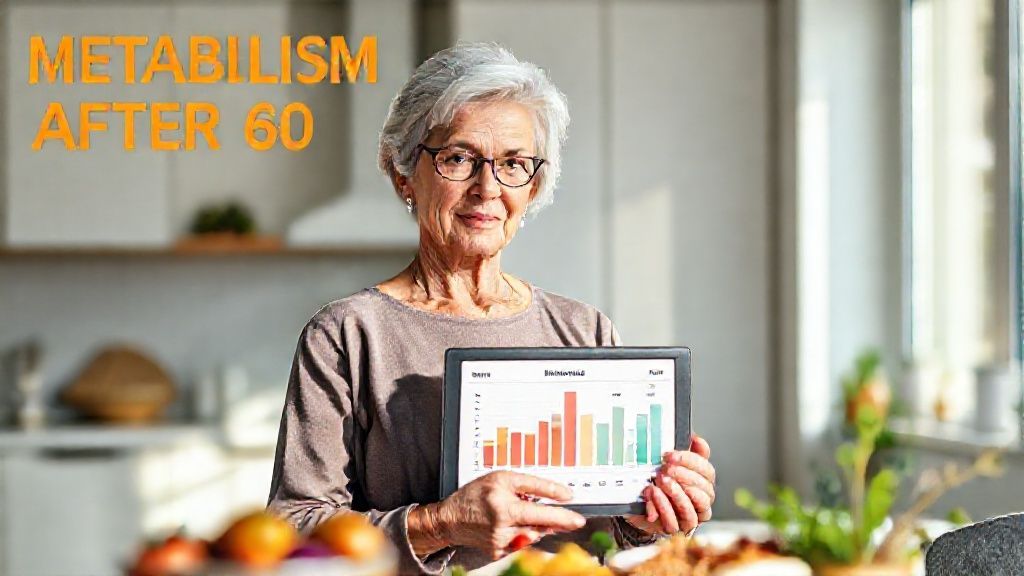
Muscle tissue is metabolically active—it burns calories even at rest. Unfortunately, adults typically lose 3-5% of their muscle mass per decade after age 30, with this rate accelerating after 60. This age-related muscle loss, known as sarcopenia, is one of the primary drivers of metabolic slowdown. For every pound of muscle lost, your body burns approximately 6-10 fewer calories per day at rest.
Hormonal Changes That Affect Metabolism
Several hormonal shifts occur with aging that influence metabolic rate:
- Growth Hormone Decline: Production decreases by about 14% per decade after age 30
- Testosterone Reduction: Men experience a 1-2% annual decrease after age 40
- Thyroid Function Changes: While TSH levels often remain stable, T3 conversion may decrease
- Insulin Sensitivity: Often decreases, affecting how your body processes carbohydrates
Calculating Your BMR: Tools and Formulas for Accuracy

Knowing your exact BMR is crucial for creating an effective nutrition and exercise plan. While several formulas exist, the Mifflin-St Jeor equation is considered the most accurate for most adults, including seniors.
The Mifflin-St Jeor Equation
For men: BMR = (10 × weight in kg) + (6.25 × height in cm) – (5 × age in years) + 5
For women: BMR = (10 × weight in kg) + (6.25 × height in cm) – (5 × age in years) – 161
Let’s consider a practical example: A 65-year-old woman who weighs 150 pounds (68 kg) and is 5’4″ (163 cm) tall would calculate her BMR as follows:
(10 × 68) + (6.25 × 163) – (5 × 65) – 161 = 680 + 1,018.75 – 325 – 161 = 1,212.75 calories
This means her body needs approximately 1,213 calories daily just to maintain basic functions at complete rest.
Using Online BMR Calculators

For those who prefer digital tools, reputable BMR calculators can provide quick estimates. However, remember that these tools use generalized formulas and may not account for individual variations in body composition or health conditions.
Practical Strategies to Boost Metabolism After 60

While you can’t stop the aging process, you can significantly influence how your body responds to it. Here are evidence-based strategies to maintain and even improve your metabolic rate.
Strength Training: Your Metabolic Superpower
Resistance exercise is the most effective way to combat age-related muscle loss and metabolic slowdown. Unlike cardio, which primarily burns calories during the activity, strength training builds muscle that continues burning calories 24/7.
Recommended approach:
- Start with 2-3 strength training sessions per week
- Focus on compound movements (squats, push-ups, rows)
- Use weights that challenge you by the last 2-3 repetitions
- Allow 48 hours between working the same muscle groups
Protein Optimization for Metabolic Health
Seniors often need more protein than younger adults to maintain muscle mass. Research suggests that adults over 65 may benefit from 1.0-1.2 grams of protein per kilogram of body weight daily, compared to the standard 0.8 grams for younger adults.
Smart protein distribution:
- Include 25-30 grams of protein at each meal
- Choose high-quality sources: eggs, Greek yogurt, lean meats, fish, legumes
- Consider timing protein intake around exercise sessions
Nutrition Strategies That Support Metabolic Health

What you eat significantly impacts how efficiently your metabolism functions. These nutritional approaches can help optimize your metabolic rate.
The Thermic Effect of Food Advantage
Different macronutrients require varying amounts of energy to digest, absorb, and process:
- Protein: 20-30% of calories burned during digestion
- Carbohydrates: 5-10% of calories burned
- Fats: 0-3% of calories burned
By strategically increasing protein intake and choosing complex carbohydrates, you can naturally boost your daily calorie expenditure.
Hydration and Metabolic Function
Dehydration can slow metabolic processes by up to 3%. Seniors are particularly vulnerable to inadequate hydration due to diminished thirst sensation. Aim for:
- At least 8 cups (64 ounces) of water daily
- Additional fluids during exercise or hot weather
- Monitoring urine color (pale yellow indicates proper hydration)
Lifestyle Factors That Influence Senior Metabolism
Beyond diet and exercise, several lifestyle elements significantly impact metabolic health in your golden years.
Sleep Quality and Metabolic Regulation
Poor sleep affects hormones that regulate appetite and metabolism. Research shows that inadequate sleep (less than 7 hours) can:
- Increase ghrelin (hunger hormone) by 15%
- Decrease leptin (satiety hormone) by 15%
- Reduce insulin sensitivity by 20-30%
Sleep optimization tips:
- Maintain consistent sleep-wake times
- Create a cool, dark sleeping environment
- Avoid screens 1-2 hours before bedtime
- Limit caffeine after noon
Stress Management for Metabolic Balance
Chronic stress elevates cortisol levels, which can lead to increased abdominal fat storage and insulin resistance. Effective stress reduction techniques include:
- Daily meditation or deep breathing exercises
- Regular social connection with friends and family
- Engaging in hobbies and activities you enjoy
- Moderate physical activity like walking or gardening
Medical Considerations and When to Seek Help
While lifestyle changes are powerful, certain medical conditions can significantly impact metabolism and require professional attention.
Common Metabolic Conditions in Seniors
Several health issues can affect metabolic rate:
- Hypothyroidism: Affects 4-10% of adults over 60
- Type 2 Diabetes: Impacts approximately 25% of adults over 65
- Vitamin D Deficiency: Common in seniors and linked to metabolic function
- Medication Effects: Some prescriptions can influence weight and metabolism
When to Consult Healthcare Professionals
Consider seeking medical advice if you experience:
- Unexplained weight changes despite consistent habits
- Persistent fatigue that doesn’t improve with rest
- Changes in appetite or digestion patterns
- Difficulty maintaining muscle mass despite strength training
Creating Your Personalized Metabolic Maintenance Plan
Now that you understand the factors affecting BMR for seniors, here’s how to create a sustainable plan tailored to your needs.
Step-by-Step Action Plan
- Calculate your current BMR using the Mifflin-St Jeor equation
- Assess your activity level to determine total daily energy needs
- Implement strength training 2-3 times weekly
- Optimize protein intake at each meal
- Prioritize sleep quality and stress management
- Monitor progress with monthly check-ins
- Adjust as needed based on results and feedback
Realistic Expectations and Timeline
Metabolic changes don’t happen overnight, but consistent effort yields results:
- Weeks 1-4: Establish routines and notice energy improvements
- Months 1-3: Begin seeing changes in body composition
- Months 3-6: Noticeable improvements in strength and metabolic efficiency
- 6+ months: Sustainable metabolic maintenance established
Frequently Asked Questions About BMR for Seniors
1. Can you actually increase your BMR after age 60?
Yes, absolutely. While BMR naturally declines with age, you can significantly influence it through strength training, adequate protein intake, and maintaining an active lifestyle. Building muscle mass is particularly effective because muscle tissue burns more calories at rest than fat tissue.
2. How much does BMR typically decrease with age?
BMR decreases by approximately 1-2% per decade after age 20, with more significant declines after 60 due to accelerated muscle loss. However, this varies greatly based on lifestyle factors. Active seniors who maintain muscle mass may experience much smaller declines.
3. Is calorie restriction safe for seniors trying to lose weight?
Moderate calorie reduction can be safe, but extreme restriction is dangerous for seniors. It’s crucial to maintain adequate protein and nutrient intake while creating a modest deficit. A reduction of 250-500 calories daily from your maintenance level is generally safe and sustainable.
4. How does medication affect BMR in seniors?
Certain medications, including some antidepressants, beta-blockers, and corticosteroids, can influence metabolism, appetite, and weight. Always discuss medication effects with your healthcare provider and never adjust medications without professional guidance.
5. What’s the most important factor for maintaining metabolism after 60?
Strength training combined with adequate protein intake is the most powerful combination. While cardiovascular exercise and nutrition are important, preserving and building muscle mass has the greatest direct impact on your basal metabolic rate.
Maintaining a healthy metabolism after 60 requires understanding the natural changes your body undergoes and implementing strategic lifestyle adjustments. By focusing on strength training, optimizing protein intake, prioritizing quality sleep, and managing stress, you can significantly influence your metabolic health. Remember that small, consistent changes yield the most sustainable results. Your golden years can be vibrant and energetic when you give your metabolism the attention it deserves.