
Understanding Your Metabolic Engine: Why BMR Matters for Plant-Based Eaters
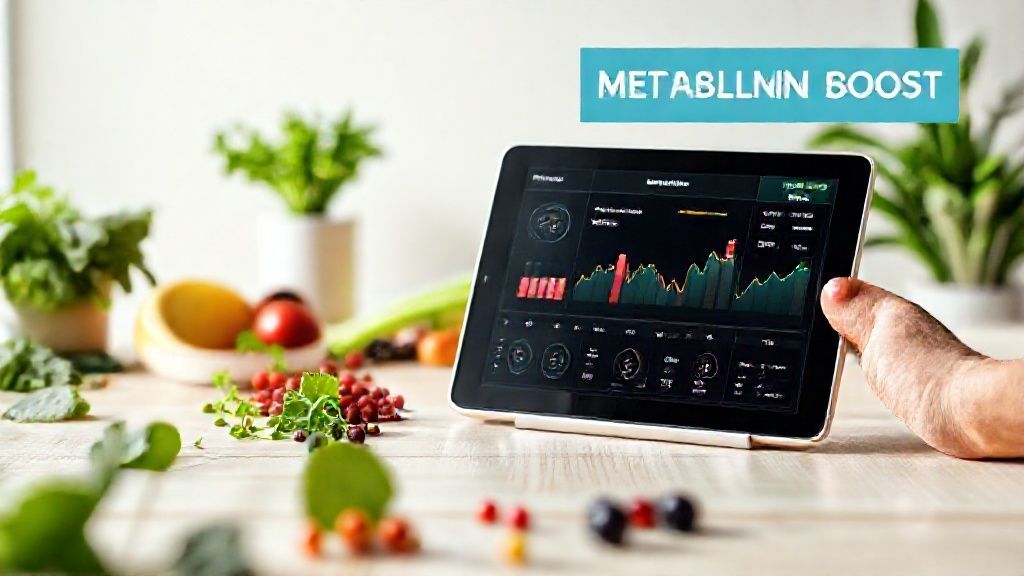
Have you ever wondered why some people seem to burn calories effortlessly while others struggle, even on the same vegan diet? The answer lies in your Basal Metabolic Rate (BMR) – the number of calories your body needs just to keep you alive while at complete rest. For vegans and vegetarians, understanding and optimizing BMR isn’t just about weight management; it’s about unlocking your body’s full energy potential and ensuring your plant-based lifestyle supports your metabolic health.
Your BMR represents the energy required for basic physiological functions: breathing, circulating blood, regulating body temperature, and maintaining organ function. It accounts for approximately 60-75% of your total daily energy expenditure. When you’re following a vegan or vegetarian diet, several unique factors come into play that can influence this metabolic engine. From protein quality to micronutrient availability, plant-based eaters need to pay special attention to nutritional strategies that support optimal metabolic function.
The Vegan/Vegetarian Metabolic Advantage: What Science Says
How Plant-Based Diets Naturally Influence Metabolism
Research consistently shows that well-planned vegan and vegetarian diets can offer metabolic advantages. A comprehensive review published in the Journal of the American College of Nutrition found that plant-based eaters typically have lower body mass indexes and better insulin sensitivity compared to omnivores. This isn’t just about eating fewer calories – it’s about how different foods interact with your metabolic pathways.
Plant-based diets are naturally rich in fiber, antioxidants, and phytonutrients that support metabolic health. The thermic effect of food – the energy required to digest, absorb, and process nutrients – tends to be higher for plant proteins compared to animal proteins. This means your body burns more calories simply processing your meals. Additionally, the anti-inflammatory properties of plant foods can help reduce metabolic inflammation, which is increasingly recognized as a key factor in metabolic disorders.
The Protein Puzzle: Quality vs. Quantity
One of the most common concerns for plant-based eaters is protein adequacy, and this directly impacts BMR. Protein has the highest thermic effect of all macronutrients – your body uses 20-30% of protein calories just to process them. For vegans and vegetarians, the challenge isn’t necessarily getting enough protein, but ensuring you’re getting complete protein profiles throughout the day.
Traditional wisdom about “protein combining” at every meal has been largely debunked, but strategic pairing throughout the day remains important. Focus on including complementary protein sources like:
- Legumes with whole grains (beans with rice, lentils with quinoa)
- Nuts and seeds with legumes (almonds with chickpeas)
- Soy products (tofu, tempeh, edamame) as complete protein sources
Essential Nutrients That Directly Impact Your BMR
Iron: The Oxygen Carrier Your Metabolism Needs
Iron plays a crucial role in metabolic function as a component of hemoglobin, which transports oxygen to your cells. Without adequate oxygen, your cells can’t efficiently produce energy. Plant-based eaters need to be particularly mindful of iron intake since non-heme iron from plants is less readily absorbed than heme iron from animal sources.
Boost your iron absorption by pairing iron-rich plant foods with vitamin C sources. Think spinach with lemon juice, lentil soup with tomatoes, or fortified cereals with orange slices. Cooking in cast iron pans can also increase iron content. Regular blood tests can help monitor your iron status, especially for menstruating individuals who have higher iron requirements.
B12 and Thyroid Function: The Metabolic Connection
Vitamin B12 deficiency is a serious concern for vegans and some vegetarians, and it directly impacts metabolic health. B12 is essential for energy production, DNA synthesis, and neurological function. More importantly for BMR, B12 works closely with folate in methylation processes that affect thyroid hormone regulation.
Since B12 isn’t naturally found in plant foods (except in trace amounts from soil contamination), supplementation or fortified foods are essential. Look for methylcobalamin or adenosylcobalamin forms, which are more bioavailable than cyanocobalamin. Regular B12 monitoring through blood tests is crucial for maintaining optimal metabolic function.
Iodine: Your Thyroid’s Best Friend
Iodine is critical for thyroid hormone production, which acts as your body’s metabolic thermostat. Both vegan and vegetarian diets can be low in iodine unless specifically planned. Sea vegetables like nori, wakame, and kombu are excellent sources, but their iodine content varies widely.
Iodized salt is a reliable source, but many health-conscious plant-based eaters avoid processed salts. Consider using kelp granules as a seasoning or taking a supplement with 150 mcg of iodine. Be cautious with excessive iodine from supplements, as both deficiency and excess can disrupt thyroid function.
Practical Strategies to Boost Your Plant-Based Metabolism
Meal Timing and Frequency: What Works Best?
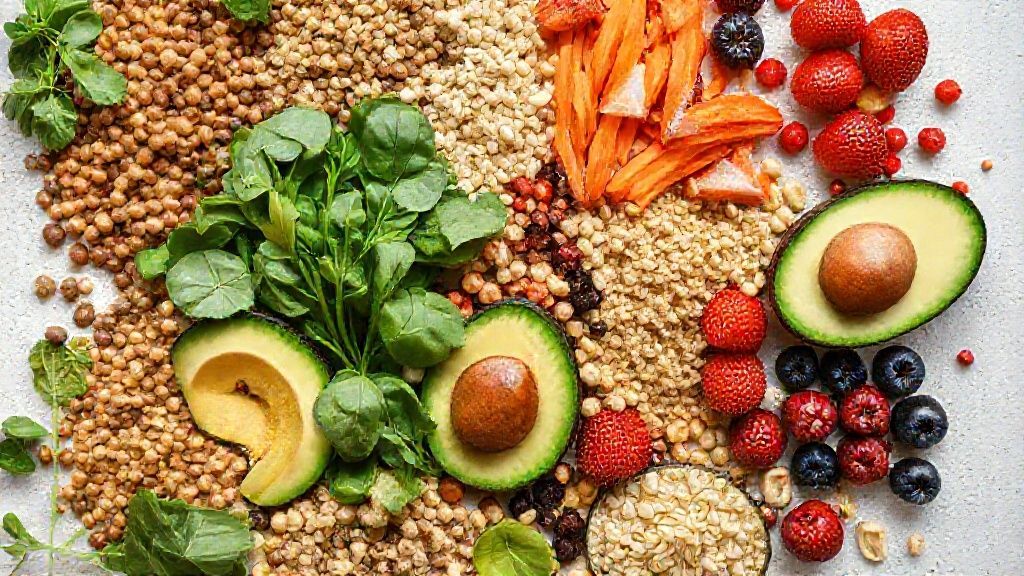
The debate about meal frequency for metabolic optimization continues, but for plant-based eaters, some strategies prove particularly effective. Rather than focusing on rigid meal schedules, consider these evidence-based approaches:
- Prioritize protein distribution: Aim for 20-30 grams of plant protein per meal to maximize muscle protein synthesis and thermic effect.
- Consider time-restricted eating: Some research suggests that eating within an 8-10 hour window can improve metabolic markers, but ensure you’re meeting all nutritional needs within that window.
- Don’t skip breakfast: A protein-rich plant-based breakfast can kickstart your metabolism and prevent overeating later.
The Power of Plant-Based Protein Timing
Recent research highlights the importance of protein timing for metabolic health. Consuming adequate protein throughout the day, rather than loading up at one meal, supports sustained muscle mass maintenance. Since muscle tissue is metabolically active (burning calories even at rest), preserving lean mass is crucial for maintaining a healthy BMR.
For vegans, this means strategically incorporating protein sources at each meal. A day might include tofu scramble for breakfast, lentil soup for lunch, and chickpea curry with quinoa for dinner. Snacks like edamame, roasted chickpeas, or protein-fortified plant-based yogurt can help meet protein needs between meals.
Calculating and Adjusting Your BMR on a Plant-Based Diet
Accurate BMR Calculation Methods
While online BMR calculators provide estimates, understanding the formulas behind them helps you make better adjustments for your plant-based lifestyle. The most commonly used equations are:
- Mifflin-St Jeor Equation: Considered the most accurate for general populations
- Harris-Benedict Equation: Older but still widely used
- Katch-McArdle Formula: Most accurate if you know your body fat percentage
Remember that these formulas provide estimates. Your actual BMR can vary based on factors unique to plant-based eaters, including gut microbiome composition, fiber intake affecting nutrient absorption, and potential differences in lean body mass composition.
Adjusting for Plant-Based Specific Factors
Plant-based diets may require some adjustments to standard BMR calculations. The higher fiber content of plant foods can slightly reduce net calorie absorption – estimates suggest 5-10% of calories from high-fiber plant foods may pass through undigested. This doesn’t mean you should drastically reduce your calculated needs, but it’s worth considering when fine-tuning your intake.
Additionally, some research suggests that long-term vegans and vegetarians may have slightly lower resting metabolic rates due to metabolic adaptation. This adaptation is typically modest and can be offset by maintaining muscle mass through resistance training and adequate protein intake.
Common Metabolic Pitfalls for Plant-Based Eaters and How to Avoid Them
Undereating: The Hidden Metabolic Slowdown
One of the most common mistakes among health-conscious vegans and vegetarians is chronic undereating. When you consistently consume fewer calories than your body needs, your metabolism adapts by slowing down to conserve energy. This metabolic adaptation can make weight management increasingly difficult over time.
Signs you might be undereating include constant fatigue, feeling cold, hair loss, and menstrual irregularities (for those who menstruate). To avoid this pitfall, track your intake periodically to ensure you’re meeting your energy needs, focusing on nutrient-dense whole foods rather than simply counting calories.
Overreliance on Processed Plant Foods
The growing availability of processed vegan foods is both a blessing and a curse. While convenient, many of these products are high in refined carbohydrates, oils, and additives while being low in fiber and protein. Regular consumption can lead to blood sugar spikes, inflammation, and ultimately, metabolic dysfunction.
Make whole, minimally processed plant foods the foundation of your diet. When you do choose processed options, read labels carefully and look for products with recognizable ingredients, adequate protein, and fiber. A good rule of thumb: if it contains more than 5-7 ingredients or includes ingredients you can’t pronounce, consume it sparingly.
Long-Term Metabolic Health: Building Sustainable Habits
Consistency Over Perfection
The most effective approach to optimizing your BMR on a plant-based diet is consistency with fundamental healthy habits. Rather than chasing metabolic “hacks” or quick fixes, focus on these sustainable practices:
- Regular strength training to maintain muscle mass
- Adequate sleep (7-9 hours nightly) for hormonal balance
- Stress management techniques to control cortisol levels
- Staying hydrated with water and herbal teas
- Regular medical check-ups including thyroid function tests
Listening to Your Body’s Signals
Your body provides constant feedback about your metabolic health. Learn to recognize signs of optimal metabolism: consistent energy levels throughout the day, regular digestion, healthy hair and nails, and stable mood. Conversely, signs like persistent fatigue, brain fog, weight changes despite consistent habits, or temperature sensitivity may indicate metabolic issues needing attention.
Keep a simple journal tracking energy, hunger patterns, and how different foods make you feel. This personalized data is more valuable than any generic metabolic advice.
Frequently Asked Questions About BMR for Vegans and Vegetarians
1. Do vegans naturally have a lower BMR than meat-eaters?
Not necessarily. While some studies suggest slight differences, BMR is primarily determined by age, sex, height, weight, and body composition rather than diet type. Well-planned vegan diets that support muscle maintenance can result in comparable or even favorable metabolic rates. The key factors are adequate protein intake, resistance training, and overall nutritional adequacy.
2. How much protein do I really need to support my metabolism?
Current recommendations suggest 0.8-1.0 grams of protein per kilogram of body weight for general health, but active individuals or those focusing on metabolic optimization may benefit from 1.2-1.6 g/kg. For a 150-pound (68 kg) person, this translates to 82-109 grams daily. Distribute this across meals for optimal metabolic effect.
3. Can intermittent fasting help boost my BMR on a plant-based diet?
Intermittent fasting may offer metabolic benefits for some individuals, but it requires careful planning on plant-based diets. The restricted eating window must still provide all essential nutrients. Time-restricted eating (like 16:8) can work well if you ensure adequate protein and nutrient intake during your eating window. Monitor your energy levels and consult with a healthcare provider if you have any medical conditions.
4. Which plant foods have the highest thermic effect?
Protein-rich plant foods generally have the highest thermic effect. These include legumes (lentils, chickpeas, beans), tofu, tempeh, seitan, and protein-rich whole grains like quinoa. High-fiber vegetables like broccoli, Brussels sprouts, and artichokes also require more energy to digest. Combining these foods creates meals that naturally boost calorie expenditure through digestion.
5. How often should I recalculate my BMR as a vegan/vegetarian?
Recalculate your BMR whenever you experience significant weight changes (±10 pounds), changes in activity level, or every 6-12 months as part of routine health assessment. Remember that BMR naturally decreases with age (about 1-2% per decade after 20), so periodic adjustments help maintain accuracy. Use a reliable BMR calculator or consult with a registered dietitian specializing in plant-based nutrition for personalized assessment.
Optimizing your BMR on a vegan or vegetarian diet is about strategic nutrition, not deprivation. By focusing on protein adequacy, key nutrients like iron, B12, and iodine, and supporting your metabolic health through lifestyle factors, you can thrive on your plant-based journey. Remember that metabolic health is a marathon, not a sprint – consistent, sustainable habits yield the best long-term results. Your plant-based lifestyle, when thoughtfully planned, can support not just ethical and environmental values, but optimal metabolic function for lifelong health and vitality.